


Female vs male rod end bearings: key differences and applications
 Jun 05, 2026|
 View:193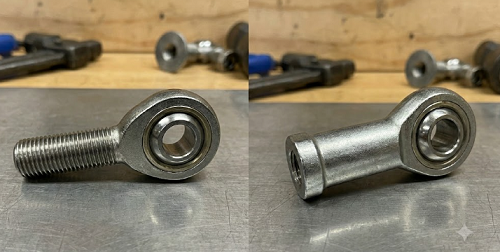
Female rod end bearings have threads inside. Male rod end bearings have threads on the outside. This difference changes how each bearing attaches to machines. Gonuo has more than 20 years of experience. They offer many kinds of rod end bearings for different industries. The way the threads face affects how fast you can install them. It also changes how much space you need and how well they work. People should pick the right bearing for their machines to get the best results.
Key Takeaways
Female rod end bearings have threads inside. Male rod end bearings have threads outside. This changes how they attach to machines.
Pick the right rod end bearing for the job. Think about how much weight it will hold. Also, think about where it will be used. Remember to check how often it needs care. This keeps things safe and working well.
Both types of bearings are used in many fields. They are found in cars, planes, and big machines. They help things move smoothly and last longer.
Always look at the threads before you put them in. This stops problems when the machine is running. It also helps the bearings work well.
Gonuo has many rod end bearings for different uses. They give strong support and work well in hard places.
Key Differences Overview
Thread Orientation: Internal vs External
Thread orientation is what makes female and male rod end bearings different. Male rod end bearings have threads on the outside. Female rod end bearings have threads on the inside. This changes how each one connects to other parts. The table below shows the main technical differences:
Feature | Male Rod End Bearings | Female Rod End Bearings |
|---|---|---|
Thread Measurement | Measure shank OD across thread crests | Measure thread ID using inside jaws |
Thread Specifications | Common inch: 1/4"-28, 5/16"-24, etc. | Common metric: M6×1.0, M8×1.25, etc. |
Thread Direction | Typically right-hand threaded | Typically right-hand threaded |
Joint Configuration | Threaded shank for screwing into tubes | Threaded bore for accepting studs/bolts |
Male rod ends fit into a threaded hole or tube. Female rod ends take a bolt or stud. This choice changes how the bearing fits in a machine.
Mounting and Installation
Mounting and installation need careful steps. Male rod end bearings need users to mark the threads. This helps keep the bearing from moving. Female rod end bearings often have a witness hole. This hole lets users check if the threads are tight. Both types may use check nuts to stop turning. Capture washers can hold the bearing if the rod end body cracks. These steps help stop failures and keep machines safe.
Tip: Always check thread engagement before using rod end bearings. This helps avoid problems during operation.
Load and Performance Factors
Load and performance depend on many things. Both male and female rod end bearings have a spherical plain bearing. This design lets the bearing handle angles that are not straight. Makers use special heat treatments on the housing. This makes the raceway harder and more stable when loads change.
Key performance factors include:
Load capacity
Thread size and type
Needed misalignment angle
Operating environment
Lubrication needs
Choosing the right rod end bearing means looking at these things. The right choice helps machines work well and last longer.
Female Rod End Bearings: Applications and Benefits
Typical Uses and Industries
Female rod end bearings are important in many fields. They have threads inside for strong and easy connections. The table below shows where these bearings are used and how they help:
Industry | Typical Applications |
|---|---|
Automotive | Suspension systems for controlled movement of control arms, sway bars, and tie rods. |
Aerospace | Control systems for aircraft ailerons, elevators, and rudders. |
Industrial Machinery | Robotic arms, packaging machines, and conveyor systems for smooth motion. |
Power Generation | Equipment like wind turbines for blade angle adjustments. |
Marine | Boat steering systems and sail control systems. |
Motorsports | Suspension linkages and dynamic components in high-performance vehicles. |
In cars, these bearings help control how the suspension moves. In racing, they help with steering and handling. Planes use them to move parts like wings and tails safely. Factories use them in robots and machines for smooth work. Wind turbines and boats also use these bearings because they are strong and last long.
Gonuo’s SI..E(S) and SI..T/K bearings are good for these jobs. They use metric sizes and are made from chrome steel. They last a long time and work well. The table below lists some main features:
Feature | Details |
|---|---|
System of Measurement | Metric |
Bore Diameter | 25MM |
Ball Diameter | 60mm |
Ball Material | Steel |
Material | Chrome Steel |
Precision Rating | P0, P2, P4, P5, P6 |
Application | Automotive, Construction Machinery |
Feature | Long Life |
Advantages in Precision and Adjustment
Female rod end bearings help with small and careful changes. They let people move parts to the right spot. In planes, these bearings help engineers make tiny changes for safe flying. Helicopters use them to move the blades in the right way.
Female rod end bearings help move parts to the right spot.
They are important in helicopters for moving blades the right way.
Race cars use these bearings to keep the wheels lined up. This makes the car safer and easier to drive. In cars and factories, these bearings help machines work the same way every time.
Male Rod End Bearings: Applications and Benefits
Common Uses and Industries
Male rod end bearings are used in many tough jobs. Their threads are on the outside. This makes them easy to screw into holes or brackets. Many industries use these bearings because they are strong and flexible.
Automotive Industry: Male rod end bearings are in car suspension systems. They are also in steering linkages and drive shafts. These bearings help cars drive on bumpy roads and turn corners.
Industrial Applications: Factories use these bearings in conveyor systems. They use them in lifting machines and robotic arms. The bearings help machines work well even with heavy loads.
Aerospace: Planes use male rod end bearings in flight controls. They are in actuators and landing gear. These parts must work under high stress and changing weather.
Agriculture and Construction: Big machines like tractors and excavators use these bearings. They need them to be strong and work well for a long time.
In car steering, male rod end bearings connect moving parts. They let parts move smoothly and help take in shocks. Suspension linkages use these bearings to handle changes in direction and weight.
Gonuo has bearings that need maintenance and ones that do not. The oil-lubricated series is good for people who like to check their machines often. The self-lubricating series is good for busy places where people do not have time for upkeep.
Strengths in Rotational Linkages
Male rod end bearings are great for linkages that need to turn or pivot. They can handle parts that are not lined up straight. They let parts move smoothly and keep linkages strong.
These bearings let parts move at angles. This helps stop stress on parts that are connected.
They keep suspension linkages strong by lowering wear and tear.
Gonuo’s HF-6G series is known for working well in linkages and control systems.
Male rod end bearings help many moving parts in machines. Their design helps them last a long time, even in hard jobs. Engineers pick them when they need both strength and flexibility.
Note: Always pick the right rod end bearing for your job. This keeps things safe and helps them last longer.
Choosing the Right Rod End Bearing
Key Selection Factors
Picking the right rod end bearing keeps machines safe and working well. Engineers think about many things before they choose. Each thing changes how the parts work in the machine.
Load capacity: The bearing must hold the weight and force.
Operating environment: Dust, water, and heat can change how parts work.
Speed requirements: Fast parts need bearings that can move quickly.
Misalignment tolerance: Some machines need bearings that let parts move at angles.
Maintenance needs: Some parts need checks and oil, others do not.
Adherence to industry standards: Following rules keeps things safe and good.
In factories, load capacity depends on the job. Big machines need bearings that can hold heavy loads. They also need to work in hard places. How often you check the bearings is important too. Greasable rod ends need oil often. Maintenance-free types save time when people are busy. Checking bearings often helps stop damage and rust.
Tip: Always pick the bearing that fits the space, how you mount it, and your maintenance plan. This helps the parts last longer and work better.
Gonuo gives strong technical help for hard designs. They can make special parts and care about small details. Their team helps pick the best materials and sizes for each job. This makes sure the parts fit right and work well every time.
Quick Reference Table
The table below helps you compare rod end bearing choices. It shows the main things to look at when picking parts for different jobs.
Description | |
|---|---|
Thread Type | Male (external threads) and Female (internal threads) |
Material | Carbon steel, bearing steel, stainless steel, alloy steel |
Lubrication & Seal | Greaseable models, sealed maintenance-free versions |
Performance Level | Standard duty, heavy-duty, precision grade |
Gonuo can change materials, threads, seals, and sizes. Their team helps with special projects and makes sure the parts meet all needs. This helps every job get the best parts that last and work well.
Picking female or male rod end bearings depends on what you need. The table below shows how they are different:
Feature | Male Rod Ends | Female Rod Ends |
|---|---|---|
Threading | External threading | Internal threading |
Application Suitability | Good for jobs with more pushing force | Good for jobs with more pulling force |
Thread Engagement | Has longer threads to stop bending | Has shorter threads, lighter, easy to swap |
Choosing the right type helps machines work well and last longer. Gonuo gives good advice and has many products. If you have a hard job, use the quick table or ask Gonuo’s team for help.
FAQ
What is the main difference between male and female rod end bearing?
Male rod end bearing has external threads. Female rod end bearing has internal threads. This difference changes how rod ends attach to machines. Both types help connect moving parts and support smooth movement in many machines.
Where are rod ends and rod end bearing used most often?
Rod ends and rod end bearing appear in cars, planes, and factory machines. Many industries use these bearings for steering, suspension, and robotic arms. These parts help machines move safely and last longer.
How do you choose the right rod end bearing for your project?
People look at load, space, and how the rod ends will mount. They check if the bearings need oil or can run without it. The right rod end bearing fits the job and keeps machines working well.
What makes Gonuo’s rod ends and bearings special?
Gonuo’s rod ends and bearings use strong steel and careful design. Their rod end bearing lasts a long time and works in tough places. Many customers trust Gonuo for reliable rod ends and bearings.
Can rod end bearing handle heavy loads and high speeds?
Rod end bearing can handle heavy loads and move fast. The design of these bearings lets them work in hard jobs. Rod ends help machines stay safe and strong, even when parts move quickly.
CATEGORIES:


