


A Practical Guide to Industrial Uses for POS Rod End Bearing
 Jun 12, 2026|
 View:103
Definition | Primary Functions |
|---|---|
POS rod end bearing has a steel inner ring and a bronze outer ring. It is made for spherical sliding. | It gives self-lubrication and wear resistance. It can rotate or move at any angle. You get shock resistance, corrosion resistance, and abrasion resistance. |
Rod end bearings are used in many industries. These include automotive, aerospace, hydraulics, industrial machinery, robotics, agriculture, and construction. These bearings work in steering linkages and flight control systems. They are also used in cylinder connections and heavy-duty pivots. If you pick the right rod end, your equipment works well and lasts longer.
Key Takeaways
POS rod end bearings can oil themselves and do not wear out fast. This makes them great for many jobs in factories.
Picking the right rod end bearing for weight and movement helps machines work better and last longer.
Stainless steel rod ends are very strong and do not rust. They work well in tough places like building sites and farms.
Self-lubricating rod ends need little care. This saves time and money and keeps machines working well.
Always think about the place and thread type when picking a rod end. This helps make sure it fits and works best.
POS Rod End Bearing Overview
Structure and Materials
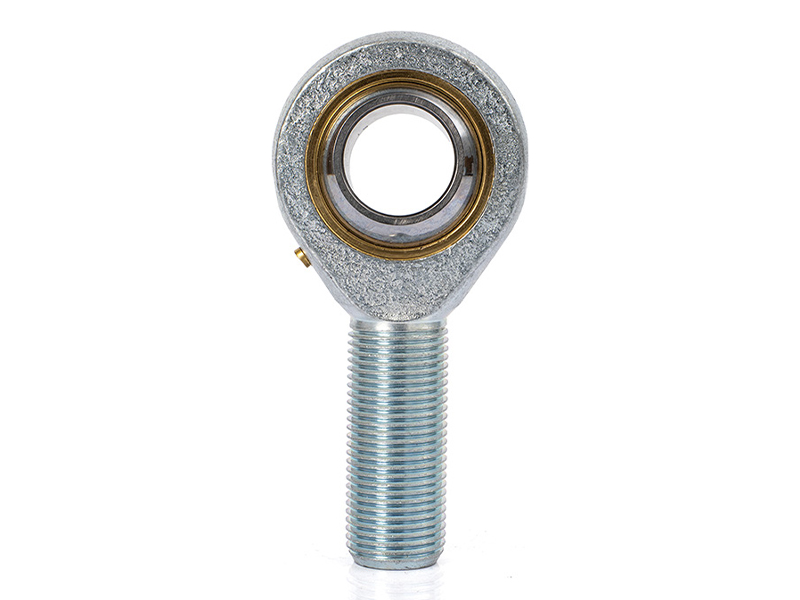
It is important to know what a rod end is made of. The POS rod end has a body made from medium carbon steel. This makes it strong and tough. The body has zinc plating. This helps stop rust in most places. Inside, there is a bronze bushing. The bushing works with the steel ball. This helps the rod end move smoothly and lowers friction. The ball is made from bearing steel. It is heat-treated to make it harder. The ball also has chrome plating. This helps it last longer and not wear out fast. There are holes or grease nipples for oil. You can add oil to keep the rod end moving well.
When you look at rod end materials, you see many choices:
Carbon steel rod ends are strong and good for most machines.
Chromoly steel rod ends last longer and hold heavy loads.
Stainless steel rod ends do not rust and need little care. You can use them in places like boats, food plants, or chemical plants.
Aluminum rod ends are light and good for racing or robots.
Titanium rod ends are very strong and do not rust. They are used in planes.
Plastic rod ends are light, self-lubricating, and cheap for small jobs.
Stainless steel rod ends last a long time and work in tough places. You can trust them if you need a rod end that will not rust or break in wet or salty air. Many industries pick stainless steel rod ends because they are reliable and easy to take care of.
External Thread Types
You can pick the thread type you need for your rod end. The POS rod end has threads on the outside. You can get left-hand or right-hand threads. Left-hand threads tighten when you turn them left. Right-hand threads tighten when you turn them right. This helps you match the rod end to your machine. Many machines use both types for easy changes and strong holds. Stainless steel rod ends with the right threads give you more options. You can put them in fast and get a tight fit. Using the right threads makes your machine work better and safer.
Features of Self-Lubrication Rod End
Durability and Corrosion Resistance
You want a rod end that is strong and lasts a long time. The self-lubrication rod end is special because it has a tough steel body and a bronze bushing. This makes it strong and helps it work well all the time. It does not rust easily, so your machines stay safe from water and chemicals. The steel body has zinc plating. This makes it even stronger and helps stop rust. The ball has chrome plating. This keeps it from wearing out fast and helps it work better.
You can see how it fights rust and lasts long in the table below:
Evidence Description | Details |
|---|---|
Total Corrosion Resistance | Plastic housings do not rust or chip, so they last longer. |
Chemical Compatibility | PBT works well with strong cleaners and chemicals. |
Lubrication Issues | Metal bearings need grease, but grease can fail with chemicals and cause problems. |
The rod end does not rust or get damaged by chemicals, so it lasts a long time. Gonuo makes sure every rod end is strong and does not rust. You can ask for special thread lengths or materials to fit your needs.
Maintenance and Lubrication
You want a rod end that keeps your machines working with little work. The self-lubrication rod end does not need much care. You do not have to add oil often. The bronze bushing and steel ball help it move smoothly and last longer. It stays strong and works well, even when things get tough.
Self-lubricating rod end bearings do not need oil or care.
They work well even when things are hard.
Old rod ends need oil and care to keep working.
You save time and money because the rod end stays strong without much work. Gonuo’s oil-lubricated design gives you more choices if you need extra strength. You can trust the rod end to work well and not rust for many years.
Rod End Applications in Industry
Industrial Automation
Rod end bearings are very important in industrial automation. They help machines move easily and turn at different angles. When you use a POS rod end bearing, you get many good things:
Self-aligning action helps equipment fix small mistakes during setup.
High load-bearing capacity lets it hold heavy weights, even with shaking.
Compact and lightweight design means it fits in small spaces.
Threaded connections make it easy to put in and adjust.
Maintenance-free types save time and money.
You see these rod ends in packaging machines and printing presses. They help with quick moves and lots of changes. Stainless steel rod ends work well in clean places and do not rust. You can count on them to keep your machines running with less work.
Construction Machinery
Rod end bearings are needed in construction machines. You use them in control linkages for excavators, loaders, and compactors. These bearings can handle heavy weights and lots of movement. Stainless steel rod ends are strong and last long, even outside in bad weather.
Application Area | Description |
|---|---|
Construction Machinery | Control linkages for excavators, loaders, and compactors. |
Industrial Automation | Linkages in packaging machinery, printing presses, and textile equipment. |
Material Handling | Pivot points for conveyors, lifts, and automated guided vehicles. |
Off-Highway Vehicles | Steering and throttle linkages for tractors and agricultural implements. |
Hydraulic & Pneumatic Cylinders | End mounts for cylinders requiring a secure male thread connection. |
Gonuo checks every rod end to make sure they are all the same. You get good performance and high quality every time you order.
Material Handling Equipment
You need rod end bearings in material handling equipment. These bearings help joints and pivot points in conveyors, lifts, and moving vehicles. Stainless steel rod ends do not wear out fast or rust, so they are great for busy warehouses and factories.
A-frames, dump cylinders, and steering cylinders for mining trucks
Equalizer track bars and lift cylinders for bulldozers
Articulated joint steering cylinders for wheel loaders
Stick and bucket cylinders for hydraulic excavators
Rod ends are also used in lifting machines and big moving parts. You can trust them to carry heavy things and keep your machines safe.
Off-Highway Vehicles
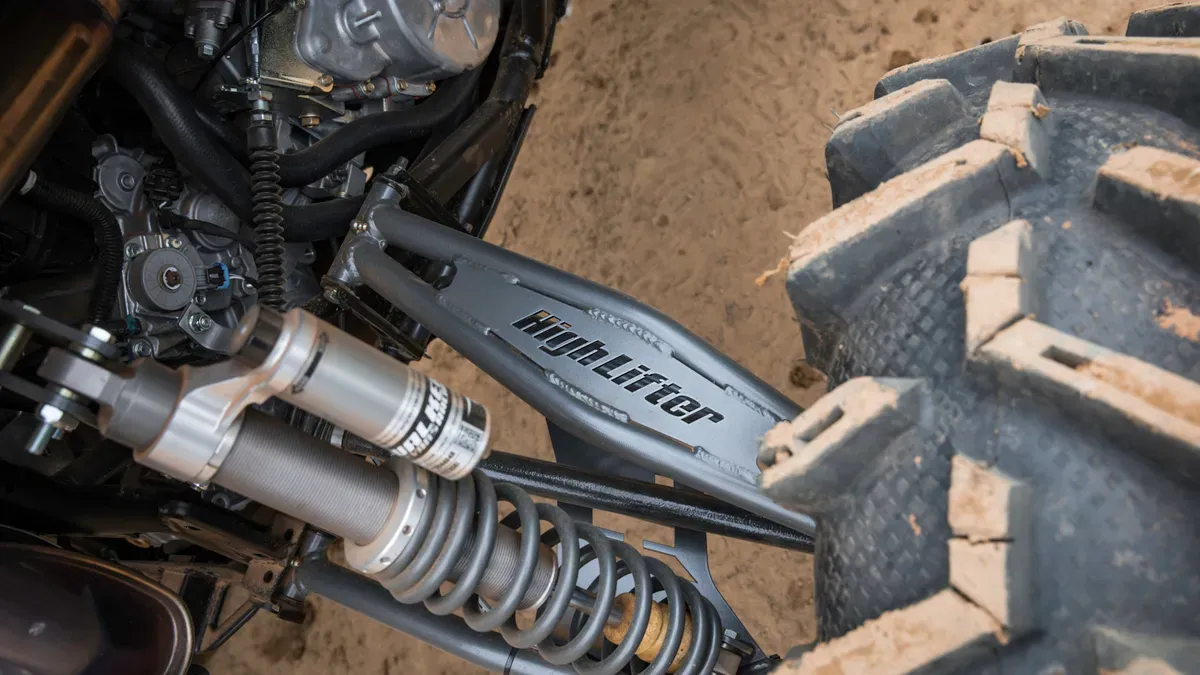
Off-highway vehicles like tractors and farm machines need rod end bearings for control rods, suspension, and shock absorbers. These bearings let parts move in different ways and fix angle problems. Stainless steel rod ends can hold heavy loads and take hard hits, even in tough places.
Application Area | Benefits |
|---|---|
Control Rods | Enable non-linear movements and offset angle errors. |
Suspension Systems | High load capacity and impact resistance in harsh environments. |
Shock Absorbers | Compact structure and maintenance-free operation. |
You find these rod ends in steering and throttle linkages for farm tools. They help your vehicles work well, even with heavy loads or rough ground.
Hydraulic and Pneumatic Cylinders
Rod end bearings are very important in hydraulic and pneumatic cylinders. They let parts turn and move at angles. This helps force move well and fixes any small mistakes in how things line up. Stainless steel rod ends with bronze bushings and oil holes keep your machines working well.
You see these bearings in machines that need careful movement and long life. The spherical plain bearing design helps cylinders move smoothly, even with heavy weights. Adding oil through grease nipples keeps the bearing working its best.
Tip: Pick the right rod end for your job to make your machines last longer and need less fixing.
Gonuo checks every rod end carefully. They make sure each one works well for automation, building, or farming jobs.
Rod End with Ball Bearing Use Cases
General Machinery Linkages
Rod ends with ball bearings are used in many machines. They help parts move easily and carry heavy loads. These parts give strong support to moving pieces. You can count on them to keep your equipment working, even when it is under pressure.
Here is a table that shows where rod ends are used in machines:
Application Type | Description |
|---|---|
Hydraulic Cylinder Rod Ends | Used in hydraulic systems for smooth movement and load handling. |
Linkage Joints in Construction Machinery | Essential for connecting moving parts in heavy machinery. |
Hinge Points on Aircraft Flight-Control Surfaces | Critical for the operation of control surfaces in aviation. |
Low-Frequency Oscillation with Angular Compensation | Ideal for applications requiring flexibility and movement in multiple directions. |
Rod ends help with movement and keep parts in place. They also lower wear and tear. This means your machines work better and last longer.
Note: If you use the right rod end, your machines break down less. You spend less time fixing things.
Light Industrial Equipment
Rod ends are also found in light industrial machines. These machines need parts that move well and can be adjusted easily. Using a rod end helps your equipment stay safe and work as it should.
Some common uses are:
Pivot points in small presses and cutters
Joints in conveyor systems
Moving arms in packaging machines
Adjustable linkages in assembly tools
You can put in a rod end fast. It fits in small spaces and handles lots of movement. Your machines run smoothly and stop less often. Many factories pick rod ends because they are easy to care for and last a long time.
When you choose a rod end, your machines work better every day.
Selecting the Right POS Rod End Bearing
Load and Movement
You must match the pos rod end bearing to your machine’s load and movement needs. Start by checking how much force your equipment will put on the bearing. Think about both static and moving loads. The right rod end will handle the weight and keep your system safe. You also need to look at how the rod end moves. Some machines need a bearing that can tilt or rotate at different angles. Others need a bearing that can handle high-frequency cycles. The table below shows what you should check:
Factor | Description |
|---|---|
Angular misalignment capability | Maximum tilt angle the joint can accept without edge-loading or interference. |
Load capacity | Static and dynamic limits; permissible static loads and recommended safety factors. |
Fatigue strength | Important in cyclic or high-frequency applications. |
Load transfer | Ability to move force smoothly from one part to another. |
A metal to metal rod end gives you strong support for heavy-duty applications. You can trust it for reliable load transfer and smooth movement.
Environmental Factors
You must consider where you will use the bearing. Dust, water, chemicals, and salt can damage a rod end. If you work in a wet or dirty place, pick a pos rod end bearing with high corrosion resistance. Stainless steel rod ends work well in harsh environments. They do not rust or wear out fast. If you need extra protection, ask for special coatings. This keeps your bearing working longer and helps with safe load transfer.
Tip: Always check the environment before you choose a rod end. This step will help you avoid early failure.
Size and Assembly
You need the right size for your rod end. Check the thread size, ball bore, and overall length. The bearing must fit your machine without gaps or stress. You can pick from many thread lengths and sizes. The table below shows some options:
Feature | Details |
|---|---|
Thread Length | Available with male and female threads for easy attachment. |
Size Options | Wide range of thread sizes and ball bores. |
Materials | Choose from carbon steel, chromoly steel, or aluminum for lighter needs. |
A good fit makes assembly easy and keeps your machine safe. You can ask for custom thread lengths if your design needs something special.
Maintenance Requirements
You should think about how much care your bearing will need. Some rod ends come with grease nipples for easy oiling. A greasable rod end lets you add oil and keep it working well. If you want less work, pick a self-lubricating bearing. This type needs little care and works well for a long time. Always check if your application needs regular service or if you want a maintenance-free option.
Note: Regular checks and oiling will help your bearing last longer and keep your machines running.
When you select a pos rod end bearing, match the type to your application. You can choose special thread lengths, extra corrosion protection, or different materials. This way, you get the best rod end for your needs.
You get a lot from POS rod end bearings. They work in many jobs and give good results. Look at the table below for main features:
Feature | Description |
|---|---|
Precision Engineering | Makes sure the bearing works well in hard jobs. It fits many places like stores and building sites. |
Maintenance-Free Design | You do not need to fix it often. This is good for hotels where stopping work is bad. |
Universal Compatibility | You can use it in many fields like energy, food, and ads. |
Prompt Delivery | Fast delivery helps companies start work again quickly. This is important for food and printing jobs. |
To pick the right bearing, you should:
Check how much weight and speed your machine needs.
Look at where you will use it.
Choose the best way to add oil.
Decide if you need preload.
Make sure the accuracy fits your job.
Talk to your supplier, think about special choices, and always check your job before you buy.
FAQ
What is the main advantage of a POS rod end bearing?
A POS rod end bearing helps your machines move well. It gives strong support and does not wear out fast. It can hold heavy weights. The self-lubricating design means you do not need to fix it often. This helps the bearing last longer.
How do you choose between left-hand and right-hand threads?
Pick the thread direction that matches your machine. Left-hand threads get tight when you turn them left. Right-hand threads get tight when you turn them right. Always look at your machine’s guide before you buy.
Can you use POS rod end bearings outdoors?
Yes, you can use them outside. The steel body has zinc plating. The ball has chrome plating. These stop rust and keep out water. This makes the bearing good for tough weather.
How often should you lubricate a POS rod end bearing?
Tip: Lubricating often helps your bearing work well.
Follow the care plan for your machine. If your bearing uses oil, add grease when needed. If it is self-lubricating, you do not need to add oil much.
Tags:
CATEGORIES:


