


How to Choose the Right Custom Rod End Bearing for Your Application
 Jun 17, 2026|
 View:108
Choosing the right custom rod end bearing means you must match the design to your load, work environment, and goals. Rod end bearings help control movement in many machines. You can find these bearings in cars, airplanes, and wind turbines. Look at the table below to see how different industries use rod ends:
Industry | Primary Applications |
|---|---|
Automotive | Suspension systems, control arms, sway bars |
Aerospace | Aircraft control systems, ailerons, elevators, rudders |
Industrial Machinery | Robotic arms, packaging machines, conveyor systems |
Power Generation | Wind turbines, blade angle adjustment, pitch control |
Marine | Boat steering systems, sail control systems |
Motorsports | Suspension linkages, dynamic vehicle components |
You get the best results when you pick bearings made for your needs. Ningbo Yinzhou Gonuo Hardware Co., Ltd. lets you customize rod ends for any job.
Key Takeaways
Know how much weight your rod end bearings must hold. Pick rod end bearings that can handle the forces in your project.
Think about where you will use the bearings. Choose bearings that can stand up to dust, water, and chemicals. This helps them last longer.
Look at the space you have and how you will put in the bearings. Pick small rod ends that fit your machine and are easy to install.
Think about how much care the bearings will need. Choose between maintenance-free or ones that need care, based on what you can do.
Ask experts for help if you are not sure. Getting advice from professionals helps you avoid mistakes and pick the right rod end bearings.
What Are Rod End Bearings
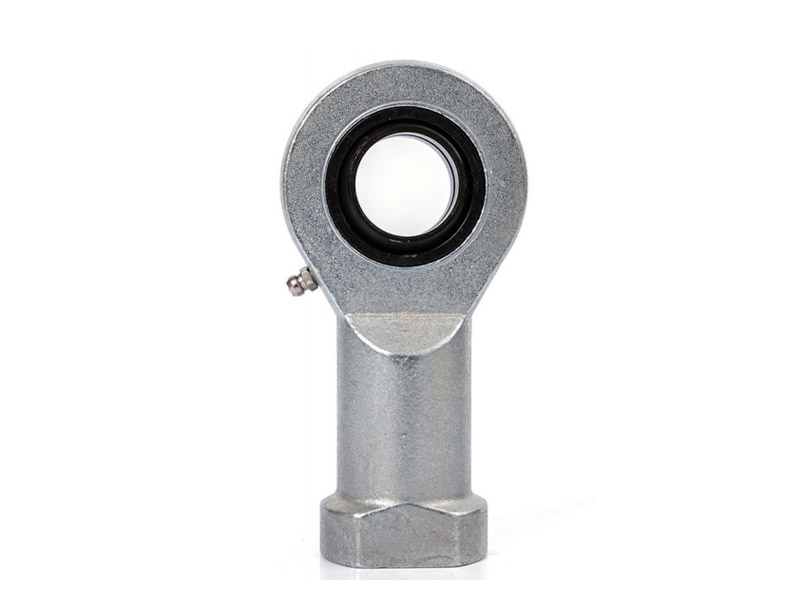
Rod end bearings are important parts in many machines. You can see rod ends in steering parts and control systems. They also help carry loads in machines. These bearings help you move things and keep machines working well. Rod end bearings have a round bearing inside a case. You can pick male or female threads to attach them. The design lets rod ends turn and move in different ways. This means you get movement in many directions. It also helps when parts are not lined up perfectly. Rod end bearings work great in linkage systems and moving parts. You find them in places like robotic arms, wind turbines, and suspension systems.
Tip: Rod end bearings help cut down friction and wear. This means they last longer and work better in tough places.
Here is a table that shows the main jobs and design parts of rod end bearings:
Characteristic | Description |
|---|---|
Design | Spherical plain bearing inside housing with male or female threads |
Functionality | Rotation and pivoting for multi-directional movement |
Key Features | Handles angular misalignment, compact and robust, high load capacity |
Applications | Linkage systems, articulated mechanisms, specific industrial applications |
Types of Rod End Bearings
You can choose from different types of rod ends. Each type works best for certain jobs. Rod end bearings can be made from titanium, plastic, heavy-duty, or precision designs. Titanium rod ends are strong and take hard hits. Plastic rod ends are good for light jobs and low power. Heavy-duty rod ends can handle big shocks in farm tools and machines. Precision rod ends give you very accurate movement in racing and airplanes.
Type of Rod End | Load Capacity | Movement Range | Applications |
|---|---|---|---|
Titanium Rod Ends | High (8,000-15,000 lbf) | Excellent for high-impact loads | Aerospace, military, extreme racing |
Plastic Rod Ends | Low | Limited | Low-load and low-torque systems |
Heavy-Duty Rod Ends | Very High (20,000+ lbf) | Robust for shock loads | Agricultural equipment, industrial applications |
Precision Rod Ends | Varies | High precision | Aerospace, motorsports |
Rod end bearings have limits for how much weight they can hold. You need to check if they can handle parts that are not lined up. You also need to pick the right material. These things change how strong and useful the rod end bearing is for your job.
Customization Benefits
You get lots of good things when you make rod end bearings just for your needs. Custom rod ends let you pick the right size and shape. You can choose special threads, coatings, or ways to attach them. Custom bearings help you deal with tough places and special loads. You make your machines work better and last longer. Custom rod end bearings from Ningbo Yinzhou Gonuo Hardware Co., Ltd. help you fix hard problems. You can count on custom bearings to fit your project and last a long time.
Identify Application Needs
Load Capacity and Movement
You need to know how much weight your rod end bearings must hold. This is called load capacity. If you pick the wrong bearing, your machine might break. Rod ends must support both radial and axial loads. Radial loads push from the side. Axial loads push along the shaft. You must check the strength of the bearing, the rod end head, and the shank. These parts work together to carry the load.
Here is a table that shows the main things you should think about for load capacity:
Factor | Description |
|---|---|
Static Radial Load | Depends on how strong the race material is, the rod end head, and the shank. |
Static Axial Load | Uses a formula that does not count bending of the shank. |
Allowable Stress | A key value used to figure out both radial and axial loads. |
You must also think about movement. Rod end bearings move in many directions. The way your bearing moves changes how well it works. If your bearing needs to turn or pivot a lot, you must pick a rod end with high articulation. Spherical bearings have different load ratings for axial and radial forces. You must set them up to lower axial loads. Good alignment helps stop collisions and keeps your bearing working well. In important jobs, you must check both load capacity and movement to make sure everything is safe.
Misalignment and Environment
Rod end bearings help when parts do not line up right. Misalignment happens in many industrial jobs. You must pick rod ends that can handle angular movement. If your bearing cannot adjust, it may wear out quickly. You must look at the operating environment too. The environment changes how well your bearing works and how long it lasts.
Common environmental factors include:
Dust, dirt, and small bits can get inside bearings and cause fast wear.
Moisture and rust can make bearings break and ruin lubricants, making friction worse.
Extreme temperatures can change how lubricants work. High heat breaks them down, while cold makes them thick.
Chemicals and cleaning products can damage bearings and dissolve lubricants. You may need special materials for tough environments.
You must pick rod end bearings that match your operating environment. If you work in dirty or wet places, you need bearings with extra protection. If you use bearings in jobs with high heat or chemicals, you must choose materials that resist damage. This helps you keep performance high and make bearings last longer.
Tip: Always check the environment before you pick your bearings. The right rod ends will keep your machines running longer.
Space and Mounting Constraints
Space matters when you pick rod end bearings. Many machines have tight spots where big joints will not fit. Rod ends are small and light. This makes them good for small spaces in industrial jobs. You must check the mounting setup. Threaded ends and modular designs let you adjust and fit bearings into custom linkages.
If you have little space, you must pick rod ends that fit your design. You can use different mounting options to make installation easier. Small bearings help you save space and lower weight. This makes machines work better and makes maintenance easier. You must plan your bearing choice to match your space and mounting needs.
Note: Measure your space and check your mounting points before you order rod end bearings. This helps you avoid mistakes and keeps your machines working well.
Choose Rod Ends by Type and Features
When you pick rod ends for your project, you need to think about the type and features that fit your needs. Rod end bearings come in many designs. Each design has special benefits for how well it works and how long it lasts. Ningbo Yinzhou Gonuo Hardware Co., Ltd. has three main types: maintenance-required, maintenance-free, and nylon bushing options. If you know about these choices, you can find the right bearing for many jobs.
Maintenance-Required vs. Maintenance-Free
You have to choose between maintenance-required and maintenance-free rod end bearings. Maintenance-required bearings need you to add oil or grease often. Maintenance-free bearings have self-lubricating rod ends. These do not need oil or grease. This choice changes how much you need to work on your machines and how long the bearings last.
Here is a table that shows the main differences:
Feature | Maintenance-Free (MHD/FHD Series) | Maintenance-Required (Classic 4 Piece HM/HF Series) |
|---|---|---|
Lubrication Requirement | No | Yes |
Material | Engineered thermoplastic race | Brass inserts with low carbon steel rod body |
Friction | Low friction | Low friction |
Applications | Medical devices, food production | General applications |
Smoothness | Quiet and smooth | Smooth and uniform movement |
If you work in places where you cannot reach the bearing easily, you should use maintenance-free rod end bearings. These bearings help you save time and keep your machines working well. If you work in jobs where you can add oil or grease, maintenance-required rod ends give you strong and steady movement. You need to think about your work area and how much maintenance you can do before you pick.
Tip: Maintenance-free rod end bearings are best for clean and hard-to-reach places. Maintenance-required bearings are good for jobs where you can check them often.
Nylon Bushing Options
Nylon bushing rod end bearings are light and last a long time. You can use these bearings in many jobs. Nylon bushings do not rust and work well where metal bearings might not. You should pick rod ends with nylon bushings when you want low friction and a cheaper choice.
Here is a table that shows where nylon bushing rod end bearings are preferred:
Scenario | Reason for Preference |
|---|---|
Food processing | Lightweight and corrosion-resistant properties |
Light-duty conveyor systems | Low friction and cost-effectiveness |
Non-load-bearing automotive parts | Suitable where high load capacity is not critical |
You can use nylon bushing rod ends in food processing because they do not rust and are easy to clean. Light-duty conveyor systems work better with low friction and smooth movement. Non-load-bearing automotive parts use nylon bushings when you do not need high load capacity. You need to look at your job and see if nylon bushings are right for you.
Note: Nylon bushing rod end bearings help you lower weight and make machines work better in many light jobs.
Threading and Compatibility
Threading and compatibility are important when you pick rod ends. You need to choose the right thread type for your setup. Rod end bearings come with male or female threads. You can match these threads to your rods and linkages. If you need special threading, Ningbo Yinzhou Gonuo Hardware Co., Ltd. can help you make bearings that fit your machines.
You need to check the size and pitch of the threads. This helps you avoid mistakes and keeps your bearings working well. If your parts fit together, you can install bearings easily and get good results. You can use rod ends with standard or custom threads in many jobs. Always measure your parts and check the thread type before you buy rod end bearings.
Tip: Custom threading helps you fit rod end bearings into special machines and linkages.
When you pick rod ends by type and features, you help your machines work better and last longer. You need to think about maintenance, bushing options, and threading to find the best bearing for your job. Rod end bearings from Ningbo Yinzhou Gonuo Hardware Co., Ltd. give you good solutions for many jobs.
Bearing Materials and Coatings
Metal-to-Metal vs. Self-Lubricating
When you pick rod end bearings, you must choose between metal-to-metal and self-lubricating types. Metal-to-metal rod ends have a strong metal ball inside a metal ring. These are very tough and can hold heavy weights. They work well in machines that shake or get hit a lot. Self-lubricating rod ends use special liners or bushings. These liners help the bearing move smoothly and do not need extra oil or grease. You can use self-lubricating bearings in places that are hard to reach for maintenance. Both types help machines move easily, but you need to pick the right one for your job.
Aluminum, Steel, and Nylon Choices
Rod end bearings are made from different materials. Each material has its own good points for strength and how long it lasts. Look at the table below to see the most common choices:
Material Type | Strength Characteristics | Durability Characteristics |
|---|---|---|
Carbon Steel | High strength, low cost, excellent overall value | Shorter service life in corrosive environments |
Chromoly Steel | Exceptional strength, high fatigue life | Handles extreme impact loads and bending stresses |
Stainless Steel | Long service life, low maintenance | Reliable in harsh environments like mud or salt spray |
Aluminum | Lightweight, good for performance upgrades | Lower strength and fatigue resistance |
Titanium | Very light, very strong | Excellent corrosion resistance in harsh environments |
Plastic | Self-lubrication, lightweight, low cost | Lower strength, best for low-load applications |
You can use carbon steel rod ends if you want something strong and cheap. Stainless steel is good for tough jobs where there is a lot of dirt or water. Aluminum rod ends are light and help when you want less weight. Nylon and plastic rod ends are best for light jobs and do not need oil.
Corrosion Protection
Rod end bearings often work in rough places. You need coatings to stop rust and damage. Some coatings, like black oxide, stick to the surface and keep out dirt, water, and chemicals. HardCoat makes the outside harder, so bearings last longer in mining or building work. CorroCoat is best for wet places, like food factories, and keeps rod ends safe after many cleanings. SlipCoat lets bearings run with little or no oil, which helps in dry or clean places.
Here is a table showing popular coatings and their uses:
Coating Type | Effectiveness in Harsh Environments | Applications |
|---|---|---|
Electro-deposited Chromium | Excellent corrosion resistance | Acid-bath plants, salt-spray areas |
Black Oxide | Guards against wear and corrosion | High-contaminant settings |
HardCoat | Increases hardness for heavy loads | Mining, construction |
CorroCoat | Resists moisture and washdowns | Food and beverage production |
SlipCoat | Works with little lubrication | Clean or dry environments |
Electro-deposited Chromium: Great for places with lots of chemicals.
Black Oxide: Good for dirty or wet jobs.
HardCoat: Helps with heavy loads and rough use.
CorroCoat: Protects bearings in wet areas.
SlipCoat: Lets rod ends work with little oil.
Tip: Always pick rod end bearings and coatings that match your work area. The right choice helps your machines last longer.
Installation, Maintenance, and Standards
Installation Tips
You must follow the right steps to install rod end bearings. First, clean the area where you will put the bearing. Make sure the threads on the rod end match your rods or linkages. Use the right amount of force to tighten the bearing. Do not make it too tight, or you could hurt the threads. After you put it in, check if the rod end bearing moves easily. If it feels stuck, fix the alignment. Always use the tools that are suggested for this job. This helps you avoid damage and keeps the movement smooth.
Tip: Move the rod end by hand after you finish. If it turns smoothly, you installed it the right way.
Maintenance Considerations
Doing regular checks helps your rod end bearings last longer. You should look at the rod ends often. Watch for cracks, rust, or signs of wear. If the rod end moves more than 1/8 inch, you need to replace it. Clean the bearings and check how tight they are. If your rod ends need grease, add more every month. Maintenance-free rod ends still need you to look for wear or rust. If your rod ends are not sealed, check them every three to six months.
Type of Rod End Bearing | Inspection Frequency | Maintenance Actions |
|---|---|---|
Non-sealed | Every 3-6 months | Deep cleaning, torque checks |
Maintenance-free | Regular inspections | Check for wear, corrosion, damage |
Lubricated | Monthly | Re-greasing with recommended grease |
Check rod ends before each harvest season starts.
Look for any damage to the threads.
Make sure the rod end can turn without sticking.
Industry Compliance
You must follow the rules for rod end bearings in your industry. Some standards, like DIN ISO 12240-4, tell you the right sizes and how much space is allowed. SAE J1120 is for rod ends used in control linkages. MIL standards are for airframe bearings and make sure they are strong. FAA and EASA make rules for safety and how rod ends work in airplanes.
Standard/Certification | Description |
|---|---|
DIN ISO 12240-4 | Sets the size, space, and inside clearance for rod ends |
SAE J1120 | For industrial rod ends in control linkages |
MIL standards | U.S. military rules for airframe bearings |
FAA and EASA | Safety and performance rules for aerospace rod ends |
Following these rules helps keep rod end bearings safe and reliable in tough jobs like cars and airplanes.
Practical Tips for Custom Rod End Bearing Selection
Common Mistakes to Avoid
You want your custom rod end bearing to last. Many people make mistakes when picking rod end bearings. These mistakes can make machines stop or break. Look at the table below to see common mistakes and what happens:
Mistake | Implication |
|---|---|
Selecting based on price over performance | Jeopardizes uptime |
Choosing the wrong type due to unclear load direction | Increases risk of failure |
Do not pick rod ends just because they are cheap. Cheap bearings may not work for your load or environment. If you do not know the load direction, you might pick the wrong rod end bearing. This mistake can make bearings fail early. Always check what your machine needs before you choose.
Tip: Ask questions about your job and load direction before you pick rod end bearings.
Expert Advice and Support
You can avoid mistakes by asking experts for help. Many companies give advice and support for picking custom rod end bearings. Here are some places you can get help:
Intercontinental Bearing Supply Company gives technical support and helps you pick bearings.
igus® offers customer service and lets you talk to product experts about rod ends.
Triangle Manufacturing gives free engineering and design help for custom rod end bearings.
Ningbo Yinzhou Gonuo Hardware Co., Ltd. also helps with custom engineering and support. You can talk to their team about your needs. They help you pick rod ends that fit your load, environment, and space. You get the right bearing for your job.
You can follow these tips to keep your rod end bearings working longer:
Make a maintenance plan for your bearings.
Check and clean rod ends often.
Change bearings on a schedule.
Use tools like vibration sensors to watch for problems.
Install rod end bearings with the right tools.
Check tolerance and alignment to stop damage.
Note: You get better results when you use expert advice and take care of your custom rod end bearing regularly.
You can choose the right rod end bearings by following these steps:
Check the load and speed for your bearing.
Look at the work environment and see if your bearings need special materials.
Decide if your rod ends need to handle misalignment or high temperatures.
Pick the best maintenance plan for your rod end bearings.
Use the right installation method for each bearing.
Benefit | How Custom Rod Ends Help You |
|---|---|
Improved Performance | Bearings fit your exact needs |
Increased Service Life | Rod end bearings last longer |
Cost Reduction | Fewer bearing failures and less downtime |
You get better results when you work with experts. Ningbo Yinzhou Gonuo Hardware Co., Ltd. can help you match rod ends and bearings to your job. Make careful choices for your bearing needs.
FAQ
What are rod end bearings used for?
You use rod end bearings to connect moving parts in machines. These bearings help you control movement and reduce friction. You find rod ends in cars, airplanes, and industrial equipment. They make machines work smoothly and last longer.
How do I know which rod ends to choose?
You should look at your load, movement, and space needs. Rod end bearings come in different types and sizes. You match the bearing to your job. If you need help, ask an expert about the right rod ends for your application.
Do rod end bearings need maintenance?
Some rod end bearings need oil or grease. Others are maintenance-free. You check your bearing type and follow the instructions. Regular checks help your rod ends last longer. Clean and inspect your bearings often for best results.
Can I use rod ends in wet or dirty environments?
Yes, you can use rod end bearings in tough places. Choose bearings with special coatings or materials. These rod ends resist rust and dirt. You keep your machines running well by picking the right bearing for your environment.
What is the difference between rod end bearings and other bearings?
Rod end bearings let you move parts in many directions. Other bearings may only allow rotation. You use rod ends when you need flexibility and alignment. These bearings work well in linkages and control systems.
CATEGORIES:


