

Understanding DIN 71802 Steel Angled Ball Joint Standards
 Jul 08, 2026|
 View:106
DIN 71802 is the rule for steel angled ball joints in machines. People use these parts to make machines connect and move easily. Steel angled ball joints help machines work well and not break. You can find them in many factories, where good fit and strong metal are important.
Engineers pick DIN 71802 Steel Angled Ball Joint for safety and good work in tough places.
Key Takeaways
DIN 71802 Steel Angled Ball Joints link moving machine parts. They help machines work well and stay safe.
Picking the right type and material makes machines last longer. It also helps them work better.
Safety features like clip-locking designs add more protection. They lower the chance of accidents when using machines.
Checking the joints often helps find wear or rust early. This keeps the joints working well for a long time.
Different materials, like stainless steel, have special benefits. For example, they can stop rust in some places.
DIN 71802 Steel Angled Ball Joint Overview
What the Standard Defines
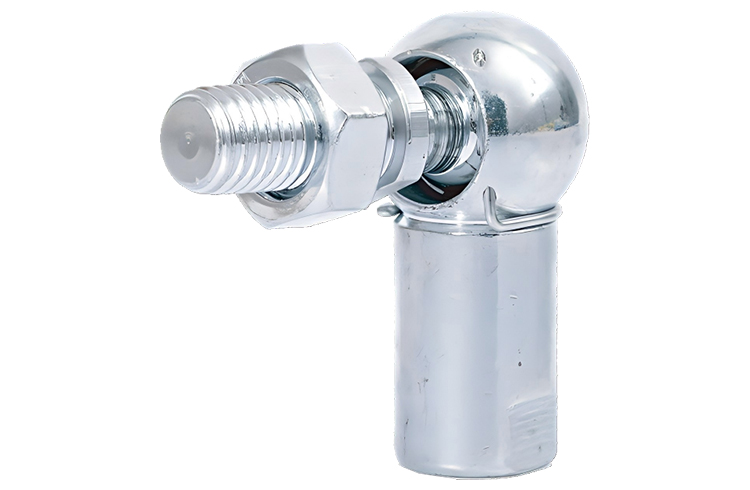
The DIN 71802 Steel Angled Ball Joint follows set rules. The standard tells you what parts and features are there. This helps you pick the right joint for your machine. Here is a table that lists the main parts and features:
Component/Feature | Description |
|---|---|
Types | A, B, C (without safety clip); AS, BS, CS (with safety clip) |
Ball Stud | Type C, CS with spanner surface; alternative left-hand thread |
Ball Socket | With or without spanner surface or hexagon surface |
Sealing Cap | With or without sealing cap as required |
Nut | With or without nut as required |
Materials | Medium carbon steel 45 for ball stud; low carbon steel Q235A for ball socket; spring steel for snap ring and safety clip; alternative stainless steels 304, 303, 316 |
Surface Treatment | Zinc plating; surface passivation for stainless steel options |
The standard gives lots of details. It tells you about the types, materials, and surface treatments. This makes it easy to find a DIN 71802 Steel Angled Ball Joint that works for you.
Purpose and Importance
DIN 71802 Steel Angled Ball Joint parts make machines safer and stronger. The design has safety latches and holds parts tightly. These features help machines stay together, even with heavy use. You can trust these joints to keep things in place and lower the chance of accidents.
Tip: Picking the right ball joint helps machines last longer and work better.
Many industries use these joints for safety. When you choose a DIN 71802 Steel Angled Ball Joint, you follow rules that keep people and machines safe. You help your machines meet safety needs and work better at the same time.
Specifications and Series
Types and Configurations
You have different choices when picking a DIN 71802 Steel Angled Ball Joint. There are A, B, and C types without a safety clip. AS, BS, and CS types have a safety clip for extra safety. Some makers offer left-hand thread options in the C and CS series. This helps you match the joint to your machine.
Here is a table that shows the main differences:
Type | Safety Clip | Thread Type |
|---|---|---|
A, B, C | No | Standard |
AS, BS, CS | Yes | Standard |
- | - | Alternative left-hand |
You can pick the setup that fits your project best. The clip-locking design gives you more choices and helps make machines safer.
Materials and Surface Options
DIN 71802 Steel Angled Ball Joint comes in many materials. Most joints use steel because it is strong and lasts long. Some joints use 304 stainless steel, which stands up to cleaning chemicals and works well indoors. You can also get 316 or 316L stainless steel for tough places like marine or food areas. If you need extra strength, 17-4PH stainless steel is good for motorsport or aerospace.
Here is a table that lists the materials and their advantages:
Material | Advantages |
|---|---|
304 | Good resistance to cleaning chemicals; cost-effective for high-volume orders; suitable for indoor machinery. |
316 / 316L | Excellent resistance to corrosive environments; ideal for marine and food-grade applications. |
17-4PH | High tensile strength; suitable for high-cycle fatigue applications in motorsport and aerospace. |
You can choose the material that fits your needs. The ball head and housing fit together well, so movement is smooth and the joint lasts longer.
Note: Stainless steel helps keep your machines safe from rust and corrosion.
Safety and Locking Features
Safety is important with DIN 71802 Steel Angled Ball Joint. The clip-locking design keeps the joint tight, even when machines shake. Tests show this design holds parts 25% better than old set screws. You can feel sure your machine stays together.
The threaded stem, nut, and washer work as a team to keep the joint steady under heavy loads. The clip-locking part adds more safety. You can trust these features to protect your machines and workers.
Here is a table that explains the safety and locking features:
Feature | Description |
|---|---|
Clip Locking Design | The integrated clip keeps the joint tight when machines vibrate. It works 25% better than set screws in tests. |
Load-Bearing Security | The threaded stem, nut, and washer keep the joint steady under heavy loads. The clip-locking part adds extra safety. |
These features help your machines run safely and smoothly. DIN 71802 Steel Angled Ball Joint gives strong connections and reliable work.
Applications
Industrial Uses
DIN 71802 Steel Angled Ball Joint is used in many machines. These ball joints help machine parts move and connect. They are important where strong and flexible links are needed. Factories use them in machines that work by themselves. Construction sites use them in big, heavy machines. Material handling machines need them for smooth movement. Off-highway vehicles use them in hard conditions.
Here are some common uses:
Industrial automation systems
Construction machinery
Material handling equipment
Off-highway vehicles
These ball joints make machines safer and more reliable. They connect parts that move in different ways. This gives better performance and helps machines last longer.
Note: Picking the right ball joint makes machines safer and easier to fix.
Sectors and Environments
DIN 71802 Steel Angled Ball Joint is used in many work areas. Factories use them in machines that pack things. You see them in control parts for excavators. Conveyors use them where parts turn. These ball joints work well when there is shaking and heavy weight.
Here is a table with common places and uses:
Sector | Example Use Case |
|---|---|
Industrial Automation | Packaging machinery |
Construction | Control linkages |
Material Handling | Conveyor pivot points |
Off-Highway Vehicles | Suspension linkages |
These ball joints work well in tough places. They do not rust easily and keep machines working. You get strong links and smooth movement. If you pick the right type, it fits your work needs.
Tip: Always check where you will use the ball joint. This helps you choose the best one.
Design and Function
Structure and Movement
You will notice that the DIN 71802 Steel Angled Ball Joint has a smart design. The ball head sits inside a strong housing. This setup lets the ball move in many directions. You can use it where you need parts to turn, tilt, or pivot. The joint allows smooth movement, even when the machine shakes or changes direction. The clip-locking feature keeps the ball head in place. You do not have to worry about the joint coming loose during use.
The housing and ball head fit together with high accuracy. This means you get less friction and more control. You can trust the joint to handle both light and medium loads. The design helps your machine parts move without getting stuck. You will see better performance and longer life for your equipment.
Tip: The multi-angle movement makes this ball joint perfect for complex linkages.
Assembly and Maintenance
You can install the DIN 71802 Steel Angled Ball Joint quickly. The threaded stem fits into your machine’s linkage. You only need basic tools to tighten the nut and washer. The clip-locking design makes assembly easy and safe. You do not need extra parts to keep the joint secure.
For maintenance, you have two main options. Some ball joints come sealed for life. These are filled with grease at the factory. You do not need to add oil or grease later. The service life is set when you buy it. Other types may need you to check and add grease sometimes. Always look for signs of wear or rust.
Manufacturers test these joints for corrosion resistance. They use salt spray testing to make sure the joint can handle tough environments. If you use stainless steel, you get even more protection from rust.
Here are some tips to extend service life:
Choose sealed-for-life joints for less maintenance.
Check for rust or wear during regular machine checks.
Pick stainless steel for wet or harsh places.
You can keep your machines running well by following these steps. Good care means fewer breakdowns and safer work.
If you know about the DIN 71802 standard, you can make machines safer and stronger. Picking the right ball joint helps your machine work better and last longer. You should think about some important things:
What kind of load and which way it goes
How fast the parts spin
How much weight the joint can hold
If the joint needs oil or grease
How exact and stiff the joint must be
You have different material choices, like:
Chrome steel is strong
Stainless steel does not rust
Ceramic hybrid works well at high speed
Polymeric slides easily with little rubbing
FAQ
What is the main purpose of a DIN 71802 Steel Angled Ball Joint?
You use DIN 71802 Steel Angled Ball Joints to connect moving parts in machines. These joints allow flexible movement and keep parts secure. You see them in many types of equipment.
How do I choose the right material for my application?
Tip: Pick stainless steel for wet or corrosive environments. Choose carbon steel for dry, indoor settings. If you need extra strength, select 17-4PH stainless steel.
Can I install the ball joint without special tools?
You can install most DIN 71802 ball joints with basic hand tools. Tighten the nut and washer. The clip-locking design makes assembly simple and safe.
Where do you commonly use DIN 71802 ball joints?
Sector | Example Use |
|---|---|
Industrial Automation | Packaging machines |
Construction | Excavator linkages |
Material Handling | Conveyor pivots |
Off-Highway Vehicles | Suspension systems |
How often should I check or maintain these joints?
You should inspect the joints during regular machine checks. Look for signs of wear or rust. Sealed-for-life joints need less maintenance. Lubricate open joints as needed.
CATEGORIES: